Ok, now we can discuss something extremely important, which most men are not thinking about: pelvic floor muscle exercises for men. I understand that it is a little strange at the beginning. I have been thinking that this was a women's health thing over the years. But I was wrong. Being a fitness writer that interviewed dozens of urologists and physical therapists, I have learned that all men should be aware of this.
A vigorous pelvic floor is a hidden force to your core, your ability to control the bladder, and even your sex life. And the best part? It can be trained anywhere, and no one will ever know.
It’s not complicated. Imagine your pelvic floor muscles in the form of a supportive hammock or a sling. These are the ones that run behind your tailbone to your pubic bone in the front. They support your bladder, bowels, etc. Things may begin to go wrong when these muscles are weak.
You may need to make a lot of trips to the bathroom, or you may leak a little when you laugh, sneeze, or pick up a heavy object. This is what makes the news of male pelvic floor health a game-changer.
Why Every Guy Needs to Think About His Pelvic Floor
Let's get real. We train on our biceps, abs, and chest. However, until there is a problem, we do not pay much attention to this important group of muscles. That is similar to not changing the oil in your car and having no idea that the engine will fall apart.
The presence of weak pelvic muscles may result in some irritating and humiliating problems. The primary one is urinary urge incontinence in men. It is simply a fancy way of saying that you leak a little urine whenever you press on your bladder.
It can be caused by sneezing, coughing, jumping, or lifting weights. It is quite normal, and that happens after prostate surgery or as we grow older, but it does not necessarily have to be your normal.
And, on the other side, the enhanced benefits of Kegels in men that go beyond bladder control may be gained through strengthening these muscles. We are talking about better sexual functioning among males, such as better, stronger erections and better-controlled orgasms. It is as though you have discovered a free, all-natural upgrade of your body. Who wouldn’t want that?
You may also read :- 20 Different Types of Exercise: Complete Guide to Boost Your Fitness
Pelvic Floor Muscle Exercises Male: The Basics (Kegels 101)

And what do you do with these sub-muscles to find and flex them? A Kegel exercise is a men's exercise that is the most popular. It is so called because it was popularized by Dr. Arnold Kegel decades ago.
The easiest method of locating them is as follows:
- The next time you are peeing, attempt to hold the flow of urine in between. Those muscles that you squeeze to do so are your pelvic floor muscles. Note: This should be done once or twice to locate the muscles. It is best not to develop the habit of doing Kegels during urination because it may lead to confusion of the bladder.
- Think that you are attempting to hold yourself. You will experience the feeling of a squeeze and lifting of the space between your scrotum and anus (that is your perineum).
That’s it! That’s the move. No equipment needed. No sweat. You can do it when you are sitting at your desk, on the television, or in a snarl-up.
The Right Way to Do a Kegel
It is all about doing them right. This is my process to follow when doing the male Kegels:
- Get comfy. Sit or lie down at first.
- Squeeze and lift. Pointing those pelvic muscles. Imagine dragging them up and in, like an elevator climbing up.
- Hold. In the beginning, continue with the squeeze of 3-5 seconds.
- Relax completely. Let go for 3-5 seconds. This is as necessary a rest as the squeeze!
- Repeat. Aim 10 times, 3 times per day.
The most frequent error is to inhale, compress, or tighten the butt, thighs, or abs. Your belly and legs are to remain loose. It is an internal, weak movement.
Beyond Basic Kegels: A Full Male Pelvic Floor Routine
After getting used to the basic hold, then you can get more complex with your routine. This assists in creating stamina and rapid strength.
Quick Flicks for Power
This is to develop fast-twitch muscles. Squeeze and contract your pelvic floor as hard as you can and then drop it as much as possible. Do 10-15 quick flicks consecutively. This comes in handy when one has to do something urgently or when one suddenly sneezes.
The Long Hold for Stamina
This builds endurance. Pinch and squeeze as long as you can, which is up to 10 seconds, then have a break of twice that. When you wait 10 seconds, take a 20-second break. Take but a few of these and build up.
The Elevator Exercise
This one works well with connecting the mind and muscle. You have an elevator of a pelvic floor.
- Crunch a little (first floor)... grasp.
- Twinge harder (second floor)… press.
- Squeeze with all you can (third floor)… hold.
- Then gradually drop down to the second level, stand, and then descend to the first level once again. This is great in enhancing the pelvic muscles among real-control men.
When to Do Your Exercises and How to Remember?
The beauty about pelvic floor exercises to control the bladder is that they are not visible. You can do them anywhere!
- Cleaning your teeth (two times a day: morning and evening in a row).
- On a commercial break having watched a game.
- Buried at your desk or in a dull meeting.
- Stopped at a red light.
Program a reminder on your phone or associate the habit with one that you already have to do regularly. Consistency is key. It does not involve doing 100 in a one-day period and forgetting in a week. It is about doing something little, usually.
What to Expect: Realistic Results and Timelines
This isn’t a magic pill. You will not experience a pump that you have after a workout. Be patient. It may require 4-6 weeks of regular exercise routines to begin to see actual improvements, such as a decrease in urgency or the number of leaks.
As it was aptly and possibly best stated by Dr. Sarah Jenkins, a physical therapist that I frequently work with in the pelvic health field, men are often shocked to learn that such a tiny and target-based effort can raise the confidence and comfort levels in their day-to-day existence such a great deal. The pelvic floor is like a marathon, not a sprint, so practice it all the time and the results will show.
Firstly, you may simply learn to feel the muscles. Then you may find that you do not need to pee as much. The gains in erection strength and control are usually made later after several months of hard work. It’s a journey.
Common Mistakes to Avoid in Your Training
I have had some of these myself, and so have most of the guys whom I have coached.
- The Golden Meal: Overselling It. These are muscles that can be strained like others. Stick to your sets and reps.
- Not Relaxing Fully: It is important to relax completely, always, between contractions. Half-clenched muscles do not become stronger.
- Holding Your Breath: Breathe normally! Breathe in and out when doing the exercises.
- Giving Up Too Soon: This is the greatest mistake. It takes time. Give it a minimum of two months before you give up.
Signs You Might Need Extra Help
Although at-home pelvic floor exercises are excellent for most men, you may need a tutor. When in severe pain, when you feel the muscles are out of reach, and when you are not even achieving any progress after 2-3 months of sincere work, then you should see a professional.
A physical therapist of men or a urologist may offer an adequate evaluation. They could take biofeedback as a pelvic floor therapy, a cool device that can demonstrate you on a screen when you activate the appropriate muscles. It is a pelvic floor personal trainer.
The Big Picture: Pelvic Health Is Core Health
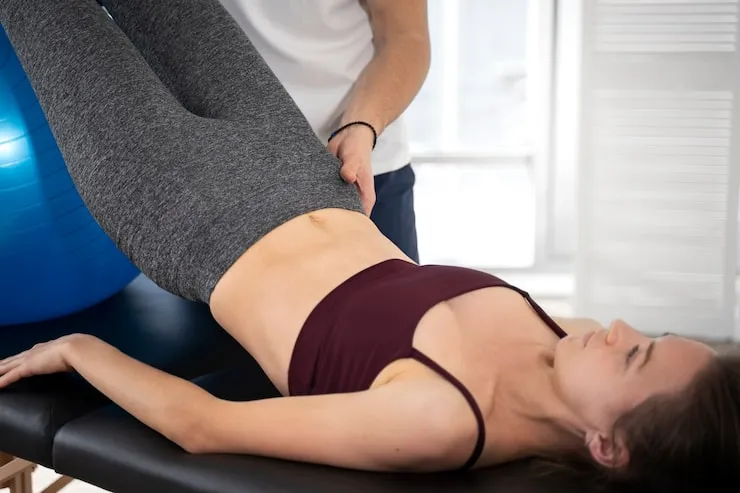
This is one of the key insights that I received: your pelvic floor belongs to your core. It is the bottom of your core canister, that is to say, your diaphragm on the top, your deep abdominal muscles on the side, and your back muscles on the back. They should all collaborate.
It implies that your pelvic floor exercises are required to be compatible with your core strength training in men. When you are doing a plank or a squat, you must work slowly on your pelvic floor and your abs. This brings about unbelievable internal stabilization and safeguards your spine. It is the final kind of functional fitness in men.
Your Action Plan to Start Today
This information should not be sitting there. Let’s make a plan right now.
- Find: Find those muscles with the stop-the-stream trick (only once!).
- Practice: 5 slow squeezes and holds now, wherever you are reading this.
- Timeline: Select two activities (toothbrushing, coffee break) every day to act as your triggers.
- Commit: Swear to yourself that you will do this over the next 8 weeks.
- Note: Make a mental note of any minor changes in your bathroom routine or otherwise.
One of the most intelligent, least invasive, and most secretive things you can do for your long-term health and quality of life is to take care of your pelvic floor muscles. It is not glamorous, but it is powerfully effective. Start today. Your future self will be appreciative.
FAQs About Pelvic Floor Exercises for Men
Q: What is the number of male Kegel exercises that I should perform per day?
A: The majority of the specialists suggest 10 repetitions per set, 3 sets a day (squeeze-hold-release). It is preferable to disperse them rather than to work on 30 simultaneously. It is important to remember that consistency outwits intensity.
Q: Can such exercises be helpful in the treatment of erectile dysfunction (ED)?
A: They are not a panacea as a whole, but they could be of great help. Good pelvic floor muscles enhance the circulation of blood to the part and assist you to have an erection by providing support to the erectile tissues. A large number of men report having increased sexual functionality as a direct outcome of a regular workout. The urologist said to me, as one, a good structure is supported by a good foundation.
Q: I had prostate surgery. Will it interfere with my incontinence?
A: Absolutely. Gold-standard, first-line interventions in the treatment of post-surgery incontinence are pelvic floor rehabilitation after prostatectomy. Exercises prior to surgery can cause even better recovery. It is strongly promoted and very successful.
Q: Can there be too many Kegels?
A: Yes. The overtraining may cause tight, fatigued muscles that may result in pelvic pain or even further worsening of incontinence. It is also important to have entirely relaxed intervals and not to overdo the suggested reps. Listen to your body.
Q: What is the time after which I will notice some outcome of my pelvic floor training?
A: The majority of men start to observe the improvements in the bladder control in 4-8 weeks of the daily correct practice. Sexual dysfunction changes may require a little more time, usually 3-6 months. The most important ones are patience and consistency.